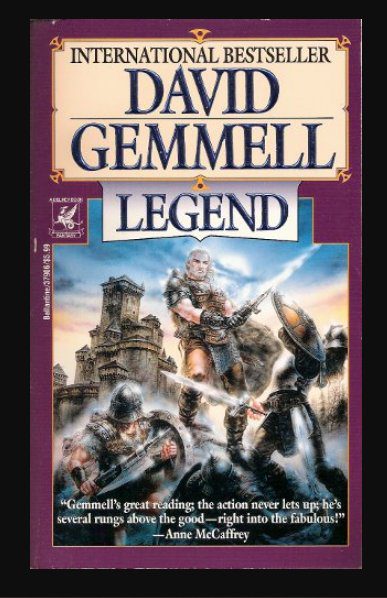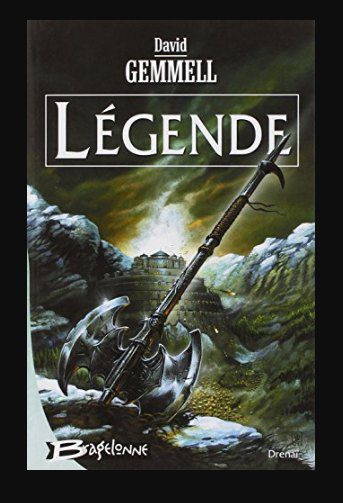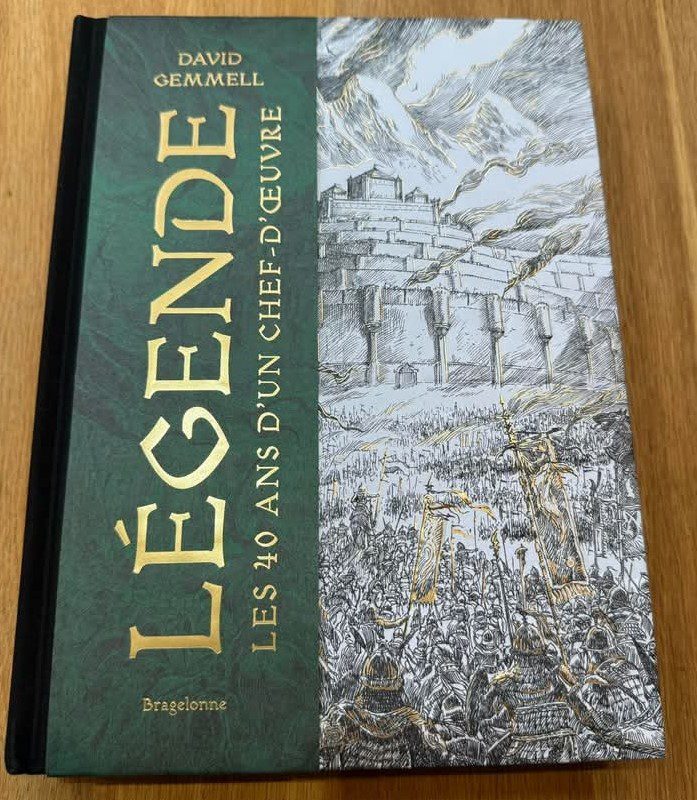
Legend – First published in 1984.
Synopsis: Legend tells the story of the aging warrior Druss the Legend, who comes out of retirement to defend the fortress of Dros Delnoch against a massive invasion by the barbarian Nadir horde. The fortress is the last line of defense for the Drenai empire, and its fall would mean the end of the Drenai people. Druss, along with a band of diverse heroes, must hold the fortress for three months to allow the Drenai army to regroup. The Nadir, a united and powerful barbarian nation, are on the march, led by the charismatic Ulric the Uniter and are determined to conquer the Drenai lands. The fortress of Dros Delnoch is the key to the Drenai empire’s survival. Its six walls and central keep stand as a formidable barrier against the Nadir advance. Druss, a legendary warrior known for his strength and skill, is called upon to lead the defense of Dros Delnoch, despite his desire for a quiet retirement. Druss is joined by a cast of memorable characters, including the enigmatic warrior Rek, the priestess Virae and the Thirty, a group of warrior-priests dedicated to fighting for worthy causes. The defenders of Dros Delnoch are vastly outnumbered and face a relentless onslaught from the Nadir forces. Each of the six walls of Dros Delnoch represents a stage in the defense and symbolizes hope and resistance against despair. The novel explores the depths of human courage and the willingness to make sacrifices for a greater cause. Druss’s return to battle is also a journey of self-redemption, as he confronts his past and finds new purpose.
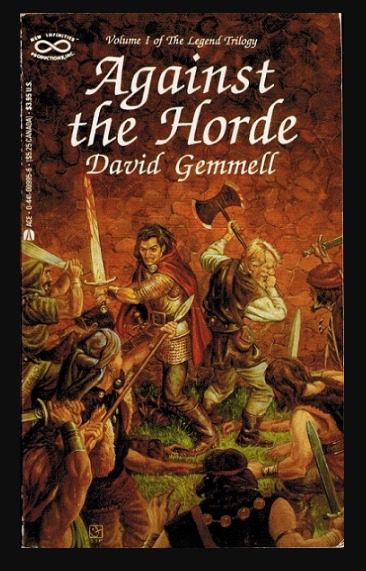
A little history: Legend was written by David Gemmell in the late 1970s while he was working as a journalist. At the time, he was facing the possibility of a cancer diagnosis and believed there was a strong chance he was terminally ill. During this period of uncertainty, he began writing a story centered on a fortress making a final stand against overwhelming odds. Writing the novel was closely tied to his emotional state and his confrontation with mortality. The book went through a substantial rewrite after Gemmell learned that he did not have cancer. He later explained that the fate of the fortress was directly linked to his own circumstances: if the diagnosis had been confirmed, the fortress would have fallen; once he knew he was clear, he revised the ending so that the fortress held. This rewrite reduced some of the original bitterness and bleakness while preserving the core themes of endurance, sacrifice, and defiance. During the revision process, Gemmell also sharpened his exploration of the gap between reputation and reality. This is most clearly reflected in the character of Rek, who was deliberately written as someone performing bravery rather than naturally possessing it. Rek is afraid of the dark and deeply insecure, included to show Gemmell’s belief that courage is not the absence of fear but the choice to act in spite of it. This approach ran counter to traditional heroic fantasy and became a defining element of Gemmell’s later work. The novel was published in 1984 and was Gemmell’s first book. In some early and international editions, particularly in the United States, it was released under the title Against the Horde. This was a marketing decision intended to emphasize the siege aspect of the story; the text itself was unchanged. Later editions almost universally returned to the title Legend. The success of the novel launched Gemmell’s career and laid the foundation for the Drenai series, establishing many of the themes—flawed heroism, earned courage, and last stands against impossible odds—that would define his body of work.
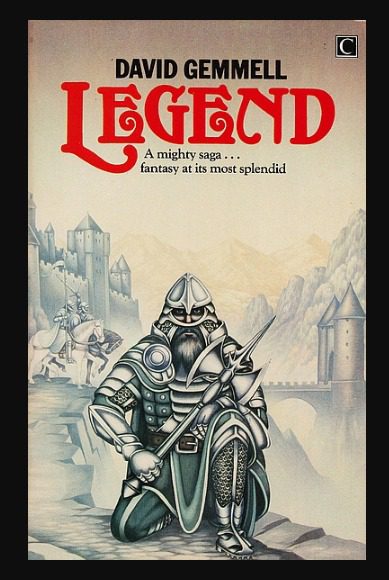
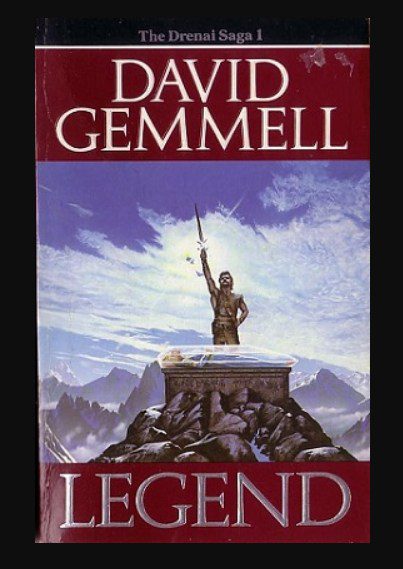
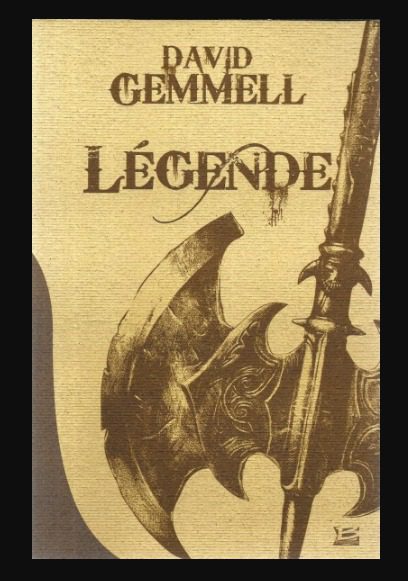
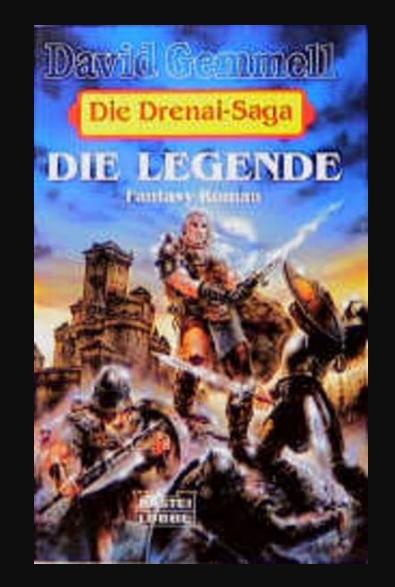
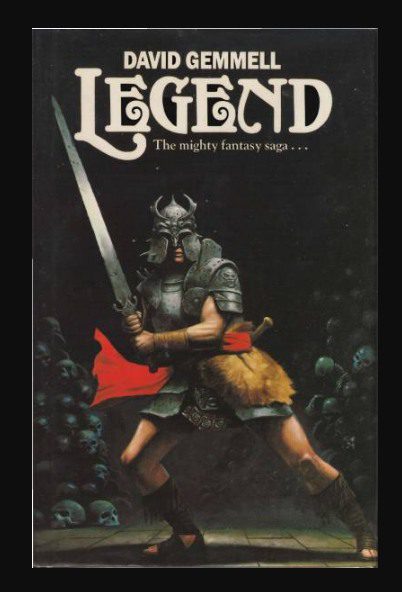
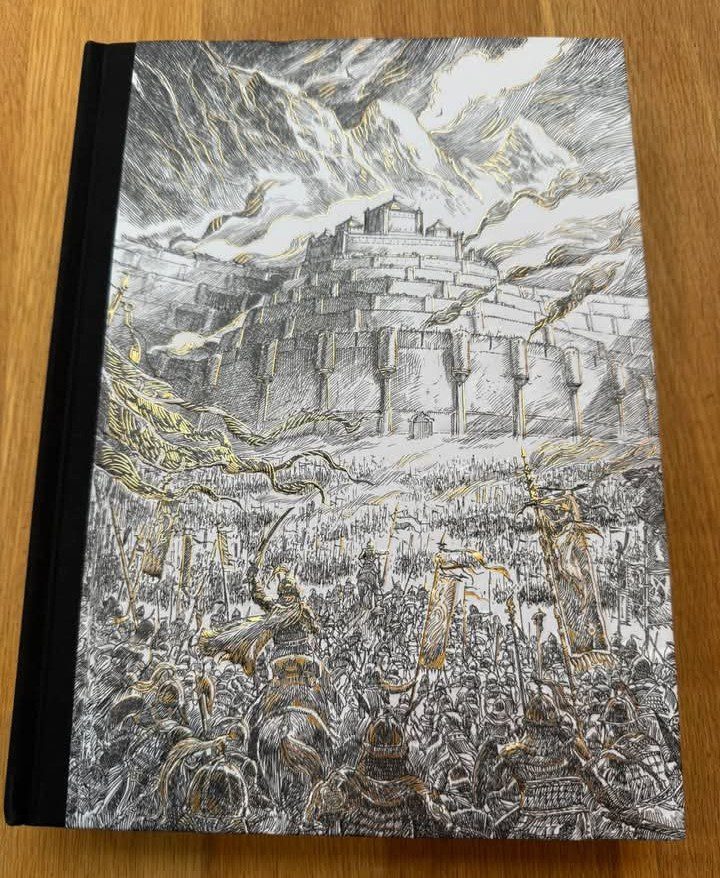
Just some of the many covers for Legend over the years.